

A Brief History
On May 28, 2012, a malware program called “Flame” was announced to have been targeting computers in various Middle Eastern countries, mainly Iran. Iranian and International cyber security teams investigating problems with Iranian government and commercial computers discovered the malware, which also was affecting other countries, including various Arab nations along with Israel and Sudan, although some reports of Flame related infections have come from Europe and North America.
Digging Deeper
This fiendish program not only stole all available information and kept on reporting new information, but also turned computers into Bluetooth centers that gathered nearby Bluetooth device information and also sent that data to the source. When discovered, an internal safety program wiped all traces of the virus from the infected computers. Investigation indicates the malware may have been running since 2007, and probably at least since 2010.

Soon after Flame became public, the Washington Post ran an article claiming the CIA and NSA (US espionage agencies) were responsible for the malware as part of an espionage and cyber attack program, largely targeting Iranian nuclear development.
With a cyber attack on Iranian nuclear laboratory centrifuges speculation was that the US or Israel was responsible or perhaps both nations were working jointly. Despite official denials, the US and Israel are suspected of complicity in the events, especially in light of leaked documents and coy hinting by officials.
Obviously, in today’s computer controlled world nations are vulnerable to being spied on or even attacked via their computer networks. Computer attacks could conceivably cause massive electrical outages, release dammed lakes, bring transportation and communications to a halt and ruin commercial businesses (ask Sony). While the US and American citizens decry such computer warfare when North Korea is suspected of such shenanigans, it seems Americans are just fine with the idea of our top secret computer warriors spying on and disrupting our enemies and potential enemies.
The reliance on computerized systems makes the United States extremely vulnerable to cyber attack. What good would precision weapons be without accurate GPS? Judicious use of nuclear weapons in order to use electro-magnetic pulse to fry computer and electronic circuits is another way our military and government could be crippled. One would hope the danger is recognized and preventative measures have already been taken, and an ongoing program of constant upgrading of cyber security is in place.
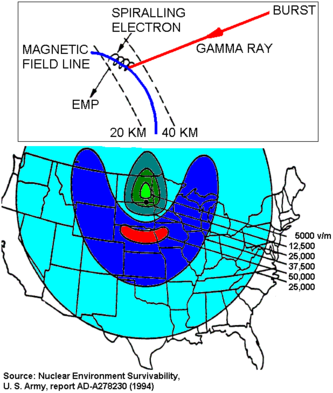
The obvious advantages of exploiting other countries’ cyber vulnerability means it is almost a certainty that the US has programs designed to do just that, both as ongoing electronic surveillance and as wartime contingency efforts. I feel confident in predicting the next war, especially any large scale conflict, will be largely affected by whichever side is better prepared for computer warfare.
Question for students (and subscribers) to ponder: What do you think?
If you liked this article and would like to receive notification of new articles, please feel welcome to subscribe to History and Headlines by liking us on Facebook and becoming one of our patrons!
Your readership is much appreciated!
Historical Evidence
For more information, please see…
Segal, Adam. The Hacked World Order: How Nations Fight, Trade, Maneuver, and Manipulate in the Digital Age. PublicAffairs, 2016.
Zetter, Kim. Countdown to Zero Day: Stuxnet and the Launch of the World’s First Digital Weapon. Broadway Books, 2015.